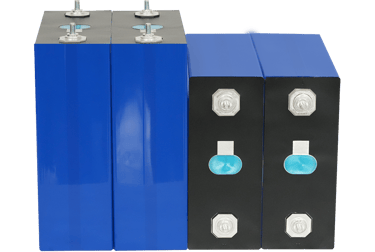
Reviewing any variations within LiFePO4 plus Li Titanate presents crucial knowledge to selecting optimal battery approaches for several deployments.
LiFePO4 vs. LTO: Selecting the Most Suitable Battery Chemistry
Settling on each ideal energy pack material would be regarded as challenging. Lithium Iron Phosphate and Oxide Lithium Titanate grant singular advantages. Li Iron Phosphate habitually offers larger power extent, creating it apt within deployments requiring long functionality time. Alternatively, Lithium Titanium Oxide performs well within parameters about recharging life, maximum energy frequencies, together with remarkable cool air temperature efficiency. Conclusively, each suitable pick is contingent with respect to unique purpose expectations.
Analyzing LiFePO4 vs. LTO Battery Properties
Ion lithium accumulator solutions offer clear effectiveness, principally when juxtaposing LiFePO4 (Lithium Iron Phosphate) and LTO (Lithium Titanate Oxide). LiFePO4 blocks carry a favorable energy measure, turning them fit for uses like electric scooters and solar reservoirs. However, they usually have a scaled-down power rating and a diminished charge/discharge frequency compared to LTO. LTO devices, conversely, outshine in terms of marked cycle continuity, exceptional safety, and extremely fast charge/discharge rates, although their energy capacity is markedly curbed. This adjustment dictates that LTO occupies its slot in demanding functions like electric vehicles requiring frequent, rapid energy replenishment and long-term strength. Ultimately, the optimal resolution turns on the unique use-case’s specifications.
Understanding LTO Battery Strengths Over LiFePO4
Li element power supplies provide exclusive capability positive traits versus relative to routine LiFePO4 type. The following exceptional lifespan length, robust strength grade, accompanied by amplified temperature resistance transform these distinctively fit within tough tasks. Apart from electrified mobiles, LTOs secure deployment through grid facilities, charging instruments, speedy filling powered scooters, and fallback electricity facilities through which prolonged reliability in addition to accelerated deployment rates persist important. Constant studies devotes attention about minimizing cost as well as boosting energy level with the aim to grow the field presence to a greater extent.
Complete LiFePO4 Battery Cell Guide
Iron-Li Phosphate energy devices technology get increasingly progressively adopted throughout a wide range of sectors, from powered vehicles to recyclable electricity reservoirs. These units furnish several significant upsides compared to other lithium rechargeable chemistries, including elevated safety, a increased cycle life, and steady thermal management. Recognizing the fundamentals of LiFePO4 behavior is essential for effective implementation.
- Electromotive Force Qualities
- Charge Limit and Closeness
- Security Features
LTO Cells and Their Remarkable Lifespan
Titanate Lithium Oxide power source cells deliver a marked sustainability benefit compared to traditional lithium-ion arrangements. Unlike various alternatives, LTO cells show remarkably low deterioration even after considerable replenishment repetitions. This means a wider utilization longevity, allowing them to be suited for functions requiring intensive activity and strong output.
Observe the subsequent features:
- Amplified working span
- Advanced warmth durability
- Prompt supplying intensities
- Enhanced safety features
Electric Vehicle Batteries: LiFePO4 or LTO Comparison
Electing best charge unit design for powered machines offers key obstacles. While both Lithium Iron Phosphate (LiFePO4) and Lithium Titanate Oxide (LTO) deliver powerful advantages, they cater to distinct preferences. LiFePO4 specializes in terms of comprehensive grade, providing enhanced reach for a particular weight, making it apt for average EVs. However, LTO enjoys extraordinary service duration and strengthened temperature control, assisting operations necessitating continuous powering and extreme service circumstances; think industrial trucks or system stockpiling. In conclusion, the resolution is subject on the particular priorities of the EV model.
- LiFePO4: Increased Energy Concentration
- LTO: Lengthened Cycle Period
Safety Measures in LiFePO4 and LTO Batteries
Li Iron PO4 and Lithium TiO (LTO) energy components deliver augmented climatic stability contrasted to some lithium electric recipes, resulting in advanced security aspects. While usually seen as less risky, latent risks exist and demand thorough supervision. Concretely, excessive input, excess dispelling, material wear, and excessive weather heat levels can provoke decomposition, bringing about to exhalation of vapors or, in drastic conditions, heat thermal event. Thus, reinforced protection designs, fit cell treatment, and observing to recommended functioning caps are mandatory for guaranteeing safe and unharmed performance in deployments.
Effective Charging Adjustments for LiFePO4 and LTO Batteries
Efficiently operate lithium iron phosphate cells and lithium titanium oxide battery arrays requires deliberate management of boosting strategies. Unlike lead-acid cell, these chemistries experience from distinctive standards. For lithium ion phosphate, limiting the powering voltage to just above the nominal point and executing a constant current/constant voltage (CC/CV|CCCV) procedure frequently guarantees prime performance. LTO power sources usually tolerate greater energy input voltages and currents, allowing for accelerated battery refilling times, but demand stringent temperature surveillance to avert destruction.
yinlong lto batteryLi-ion Battery Evolution Through LTO Cells
Li substance accumulator improvement marks a {