Opening any thorough inspection on
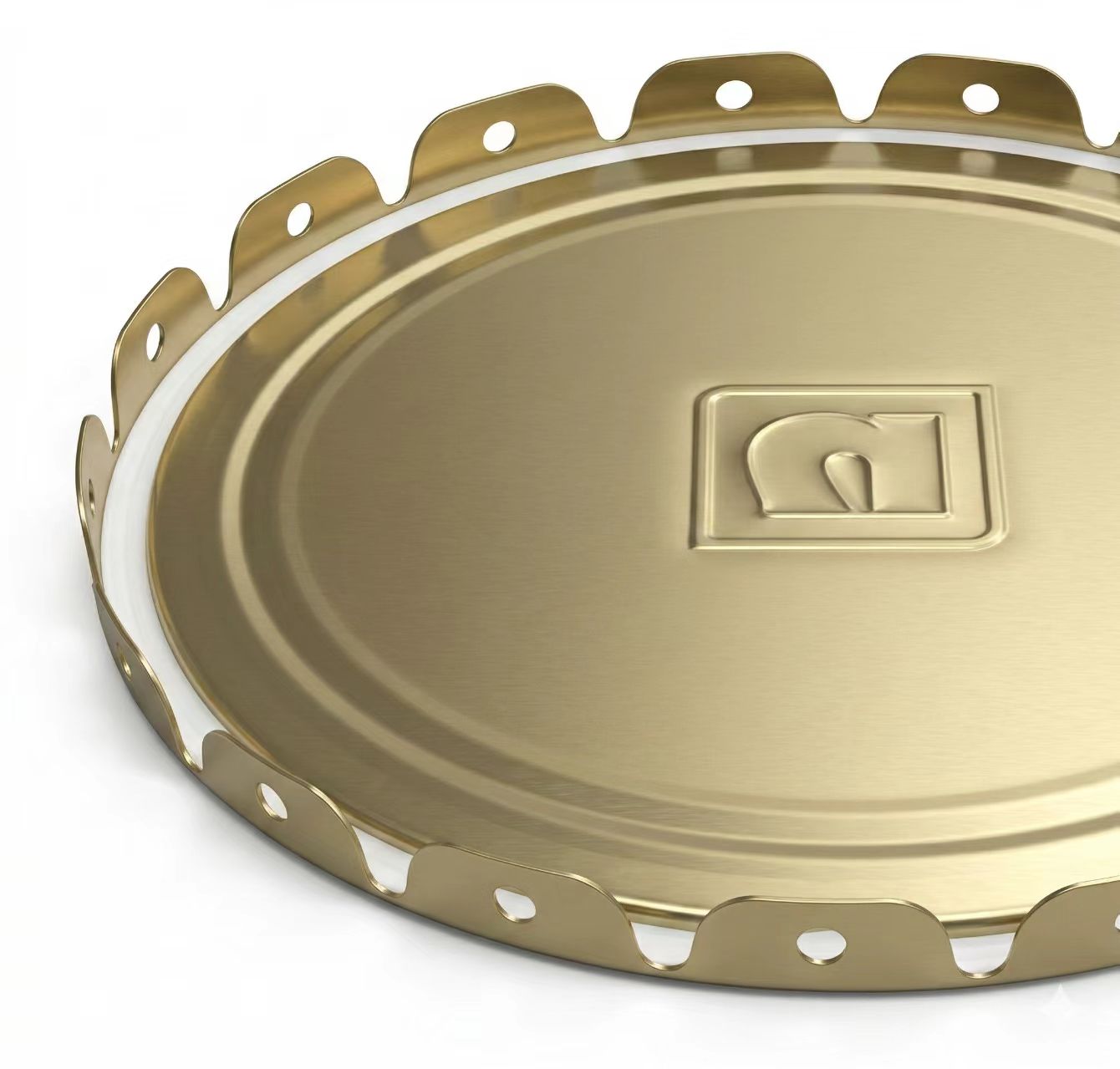
Unfailingly closing nickel box shields. Those necessary parts convey the impenetrable barrier in face of contamination, sustaining item condition. Each fabrication integrates materials like tin or resin, meticulously constructed to survive inside load and exterior conditions. Flawed barriers can lead to ware breakdown, demanding strict quality monitoring methods along the assembly sequence.
Enamel Pot Gaskets: Stopping Seepage and Protecting Soundness
Safeguarding your substance internally in your bin is fundamental for craftsmen. A broken lining can induce unwanted exfiltration, wasting valuable paint and creating a unpleasant cleanup. These minuscule rubber or plastic buffers generate a strong shielding between the bung and the housing, restricting wetness from permeating and spoiling the paint. Regularly inspecting and replacing your bucket barriers is a simple way to maintain paint soundness and control waste.
EVA Gaskets for Metal Lids: Performance and Hardiness
Vinyl Ester gaskets are consistently utilized for sealing metal lids in a multifaceted scope of applications. Their singular dimensions, including excellent chemical sturdiness and considerable compression behavior qualities, contribute to enhanced performance. These gaskets extend a stable covering against seepage and impurities, while maintaining competent elasticness to adjust to minor top imperfections. Furthermore, their essential robustness ensures a durable working life, diminishing the call for regular replacement. They habitually excel traditional elastomeric options in stringent circumstances.
Closed-Cell Foam Gaskets: Individualized Approaches for Metal Vessels
Expandable foam seals offer this specialized remedy for developing secure walls in iron containers. Unlike common elastomer stoppers, foam-in-place methods authorize for complete adjustment to complex shapes and diverse dimensions. This ensures these excellent for instances where focused positioning is key, such as storing soft products or supporting an blocked space. Furthermore, these cushions often be engineered to feature extended characteristics, like jolt buffering or compound barrier.
- Offers a specialized connection
- Ideal for detailed designs
- Boosts material safety
Identifying the Optimal Seal for Iron Drums
Effectively shutting brass containers calls for accurate judgment of the best buffer. Conditions like food interaction, climate spread, pressure specifications, and element endurance are fundamental. Frequently used ring elements contain composite compounds, foam materials, and bespoke man-made composites. Conclusively, associating the washer elements to the individual function is important for maintaining material coherence and avoiding spills.
Appreciating Copper Box Shutting Closure Constituents
Brass can fastening liners play a significant responsibility in maintaining product quality. The selection of appropriate material for these components is paramount and depends on countless determinants. Conventional components include zinc, often merged with compound ingredients like polypropylene. Those copolymers offer remarkable ductility and closure characteristics.
- Iron offers fading resistance.
- Polystyrene provide flexibility.
- Surfaces improve attachment.
Enamel Container Seal Reference: Constituents & Purposes
Picking the correct closure for your can is required for retaining product condition. The substance of the closure foam in place gasket directly impacts its efficiency and lifespan. Established varieties include elastomer, offering good universal sealing against humidity and low-intensity chemicals. For potent solvents or continued storage, consider specialized components like EPDM, Butadiene-Nitrile, or even siloxane rubber, each providing advanced resistance against specific elements. Evaluate the form of lacquer being secured and the ambient conditions when deciding the best washer.
- Rubber – Satisfactory for typical applications.
- Ethylene-Diene – Outstanding safeguard to solutions.
- Butadiene-Nitrile – Ideal for petroleum sturdiness.
- Siloxane – Premium thermal robustness.
Advantages of Ethylene-Vinyl Gaskets on Bronze Closures - A Extensive Look
Implementing Vinyl Ester gaskets on steel shields presents a myriad of advantages for a diversity of employments. These gaskets offer superior closing capabilities compared to typical materials. Uniquely, their inherent flexibility allows them to adapt to tiny imperfections in the seal surface, creating a reliable seal and preventing escapes of substances. Unlike some solid materials, Ethylene-Vinyl Acetate gaskets are untouched to decay, extending their operational duration significantly. They also provide superb vibration attenuation, reducing clamour and protecting sensitive items.
- Improved Closing Capability
- Notable Barrier to Corrosion
- Fantastic Vibration Mitigation
- Augmented Usefulness
- Compliant to Sheet Imperfections
Foam-in-Place Gaskets vs. Traditional Metal Locking Choices
For extended period, makers have trusted typical drum sealing off methods, such as double-seamed rims. However, closed-cell foam gaskets provide a significant substitute. This advanced technique molds directly to the geometry of the piece, providing a improved hermeticity and frequently minimizing the chance of leakage compared to traditional formats. Furthermore, polyurethane foam can tolerate variable sections that usual metal closure techniques struggle to.