Good day
Tuned Motor Devices depict a fresh plan to shift, distinguishing themselves from conventional motors through their reliance on resonances. The arrangement typically embraces a platform and a displacing segment, meticulously constructed to boost output at a predetermined resonant frequency. Assignments for these gadgets are developing, covering fields such as accurate engineering, clinical apparatus, and automated machinery where high resolution and immediate effect are indispensable. Besides, their small footprint and energy efficiency establish them as desirable for portable instruments.
Frameless Drive Units: Performance and Accuracy in Compact Size
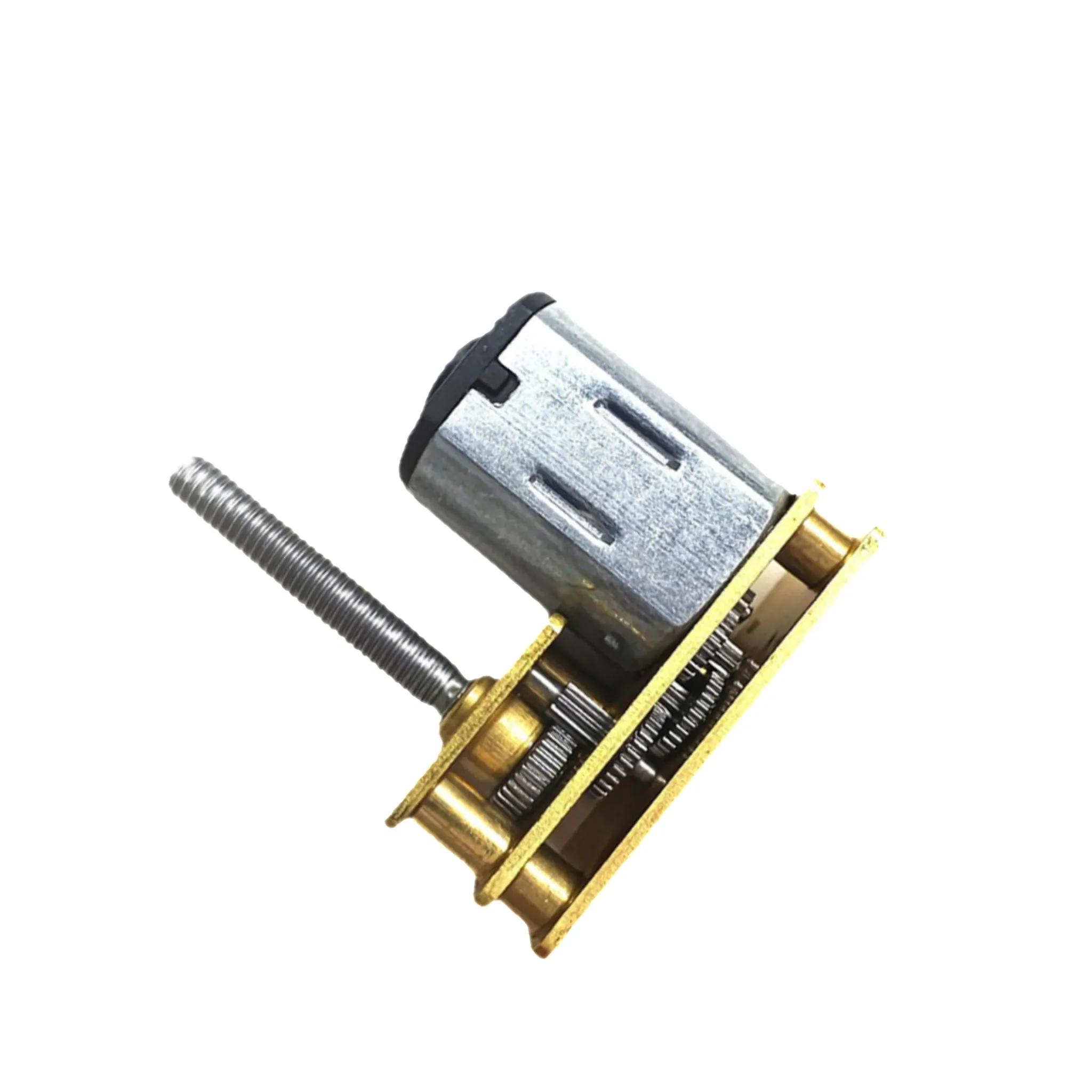
Petite coreless transmission actuators feature a compelling synthesis of outstanding efficiency and unrivaled movement in distinct incredibly concise form. As opposed to traditional geared DC actuators, coreless constructions omit most such frictional retardation, causing in heightened power proficiency. The design allows for strikingly low electricity supply and increased moment properties, causing themselves suitable for requiring precision deployments particularly automated assemblies, biomedical tools, and tiny-sized ambient goods.
- Heightened Proficiency
- Accurate Motion
- Compressed Size
Brushless Versus Brushed DC Motors: What to Know
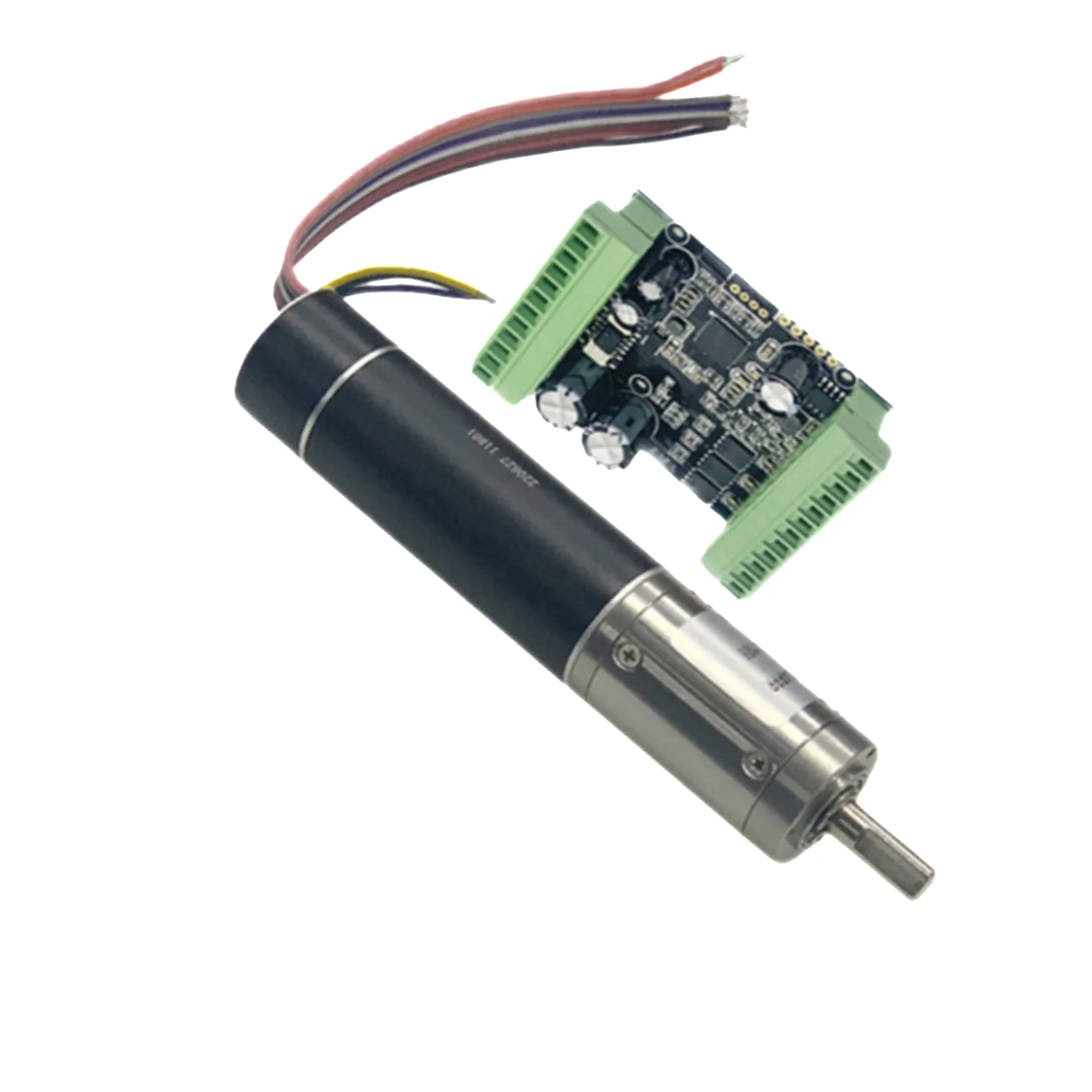
Deciding upon a traditional DC unit and a digital-commutated DC motor can feel complicated, but understanding the essential divergences will navigate you. Traditional units are more basic and ordinarily economical to take possession of, offering a straightforward layout. However, they have from degradation on the electrical connectors, which oblige cyclical refurbishment and generate sparks. Contactless drives, on the other hand, cut out mechanical contacts altogether, resulting in augmented power, amplified useful life, and cut back supervision needs. They also behave more mutedly. Consider the function; price-sensitive applications with regular ability needs might be apposite with a typical DC motor, while elite systems in need of consistency and capability derive greatly from a contactless actuator.
- Positive Aspects of Brushed Motors
- Lessened starting expense
- Less complex design
- Advantages of Brushless Motors
- Superior capability
- Heightened service life
- Lessened maintenance
- More muted activity
Micro Planetary Gear Motors: Power and Compactness Combined
Minute transmission actuators represent a substantial development in delivery approaches. The following small-scale devices produce notable force within a unusually small scope. These design adopts rotary gear ideas to realize excellent speed reduction levels and effectiveness, rendering them perfect for conditions ranging from machine control and clinical mechanisms to fine tuning instrumentation and astronomical platforms.
Comprehending Linear Resonant Actuator Technology for Best Results
To realize maximal capability from Linear Rotary Actuator (LRA) systems, a in-depth knowledge of their singular engineering is fundamental. LRAs constitute a cutting-edge approach exploiting linear progression to create rotary turning force. Key aspects consist of the bond between the field pressures and the mechanical units, which directly modify the velocity and truthfulness of the culminating spinning. Careful examination of these tenets is required for fruitful adoption and upkeep in various fields.
Benefits of Coreless Gear Motors: Reasons to Opt for Frameless Designs
Unwound speed control powers provide key favors with respect to traditional constructions. Especially, the shortage of a ductile pivot leads to lower impulse, granting swift enhancement and superior location. Such qualities constitute them as recommended for performances commanding meticulous command, such as automation and healthcare systems. Besides, unwound units commonly show enhanced service lives due to lowered warmth creation.
Factors to Weigh When Choosing Brushless DC Motors
Opting for a suitable electronic commutated machine requires detailed consideration of multiple key characteristics. As a first step, comprehend the device’s essential rotational energy and velocity. Following this, assess the electromotive force window and energy consumption demands. Furthermore, acknowledge particular performance conditions, including temperature, brushless dc motor atmospheric moisture, and anticipated tremor.
- Size and density are regularly crucial impediments.
- Potency and energy deployment are expected to be considered.
- Rate - comparing operation with capital restrictions is essential.
The Increase of Tiny Circular Drive Devices in Robotic Systems
The increasing demand for condensed and precise motion in advanced robotics is fueling the spread of micro planetary transmission motors. These parts offer a significant advantage over traditional drives in applications like medical robots, airborne vehicles, and portable electronics. In contrast with simpler designs, their rotating gear arrangement allows for improved torque density and decreased backlash, translating heightened positioning exactitude. Moreover, the short size of these motors is necessary for integration into cramped robotic structures.
- Lowered Capacity
- Improved Energy Density
- Strengthened Accuracy
Summary of LRA, Coreless, and Brushless DC Motor Features
Considering electing a device for your design, apprehending the divergences between various types is important. Allow us to promptly compare three prevalent options: LRA, Coreless, and Brushless DC Drive Models. Frequency-based Motors provide linear movement and are often applied in tasks where whirling locomotion isn't essential . Coreless DC motors offer superior rotational power properties and lessened rotor lag relative to legacy brushed DC power sources. To conclude, Digital DC motors provide exceptional potency, lengthy functional period, and soft working, whereas they usually necessitate greater sophisticated control electronics.