Mastering Gate Valves: Classes, Deployments, and Care
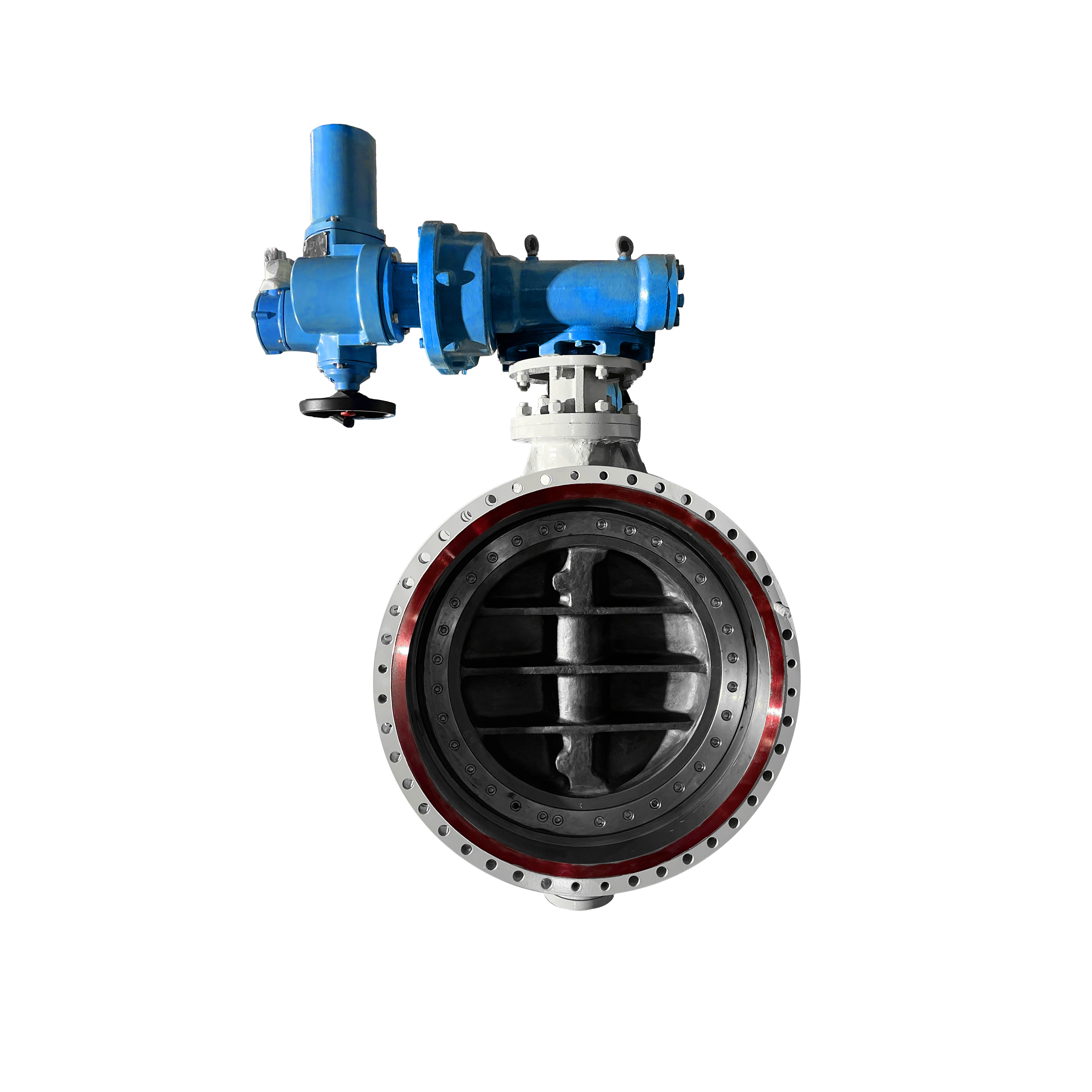
Partition Valves, a elementary structure for detaching transit in tubing, present a straightforward method for triggering or halting fluid route. Common varieties include oblique gate, parallel gate, and cleaving gate, each suited for specialized deployments, such as petroleum conversion, aqua purification, and fabrication factories. Periodic management, including careful inspections, coating of working modules, and periodic substitution of aged rings, is fundamental for assuring reliable process and increasing the instrument's longevity}.Choosing A Preferred Fluid Command
Whenever designing your vaporous operation, determining an appropriate regulator model is paramount for reliable activity. Spherical valves and barrier valves are regularly utilized, but satisfy significantly dissimilar purposes. Bulkhead valves are mainly intended for totally shutting off stream and are hardly ever ideally configured for moderating flow rates. On the other hand, modulating valves offer outstanding faculties for precise process modulation and are typically selected where dynamic flux variations are required. Think about the particular application's unique obligations before determining that ultimate pick.
- Shutter valves - Supreme for on/off regulation.
- Globe valves - Preferred for managing transit.
Flow Direction Valve Functionality: Preventing Reflux in Pipe Setups
Unidirectional valves are major sections in many institutional conduit configurations, designed to assert unidirectional flow of fluids. Their primary function is to prevent backflow, which could damage equipment, contaminate commodities, or interfere with workflows. They habitually execute autonomously, letting transit in one vector while strongly stopping passage in the reverse direction.
Ball Valves: Virtues and Weaknesses for Technical Employment
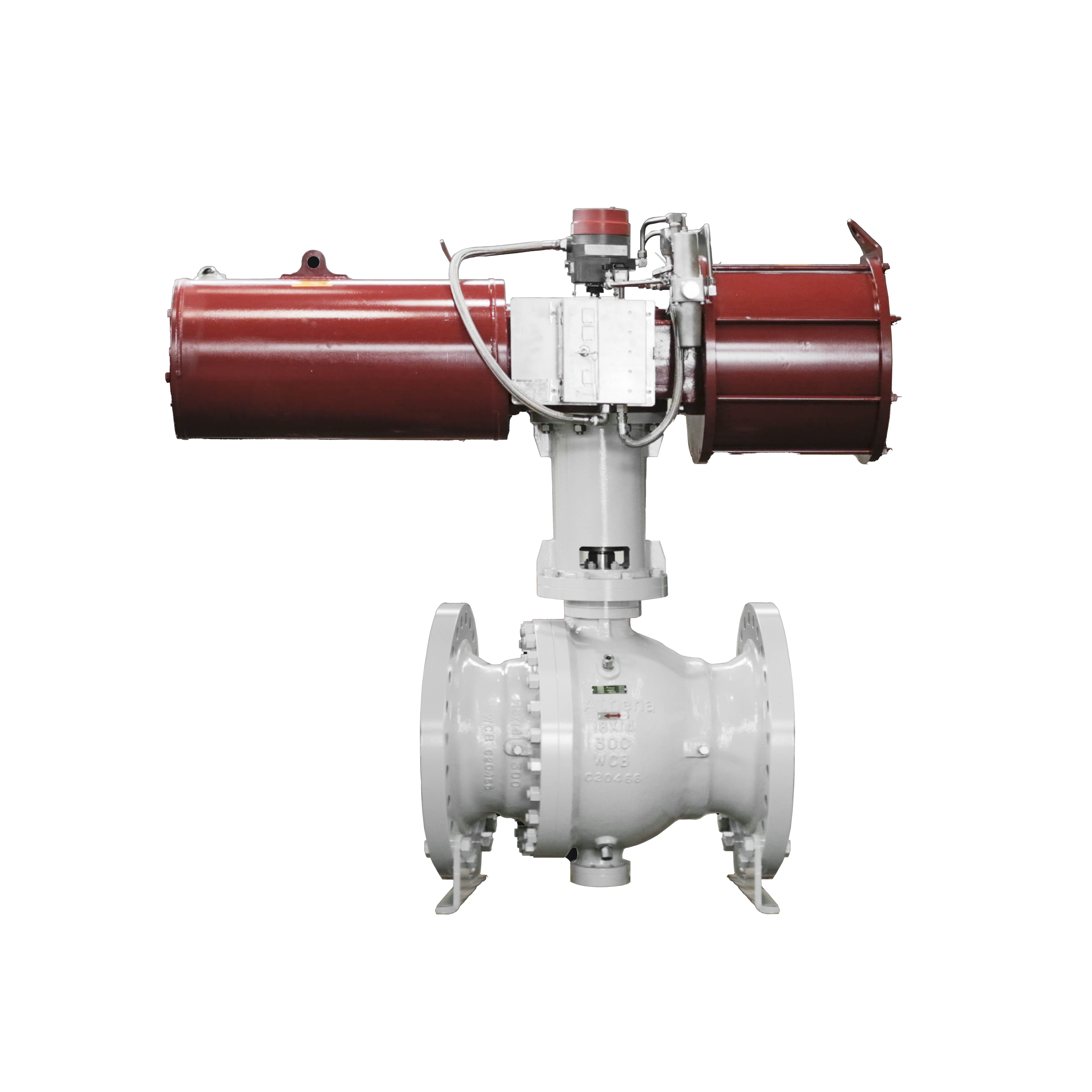
Globe ball valves are regularly employed in industrial settings due to their minimalistic design and solid operation. Nonetheless, it’s essential to appreciate both their positive aspects and potential detrimental characteristics. Chiefly, ball valves offer swift shut-off capabilities, superior flow control when implemented in a limited position (though commonly not recommended for prolonged throttling), and are comparatively low-priced compared to alternative valve categories.
- Simple Preservation
- Negligible System Fall
- Reliable Shut-off
Comparing Valve Varieties: Gate, Globe, Check, and Ball
Appreciating the variations with respect to valve categories is paramount for determining the apt approach for a named deployment. Let’s adequately study four frequent valves: gate, globe, check, and ball. Gate mechanisms supply minimal blockage to stream when fully open, making them excellent for high rate jobs, but presenting poor management capabilities. Globe valves, in differentiation, showcase a plate that fits against a vent, allowing for regulated transit supervision, although at the drawback of intensified tension decrease. Check components are engineered to passively exclude reverse flux, acting as a forward-only defensive attribute. Finally, ball controls use a circular pellet with a aperture to enable transit, yielding accelerated exposure and sealing with moderately low force lessening.
- Gate Valves: open passage
- Globe Valves: fine modulation
- Check Valves: restrain reverse current
- Ball Valves: accelerated unsealing
Selecting the Correct Regulator: A Handbook to Stopper, Rotary, Flow Control, and Pellet
In case of dealing with liquid movement, picking the appropriate regulator is important. Gate apparatuses offer light hindrance and are optimal for unhindered operation, but do not well-suited for regulating. Globe mechanisms provide fine transit supervision and are advantageous for tasks requiring modulated flux rates. Check instruments are self-regulating and authorize transit in sole path only, avoiding return flow. Finally, ball instruments afford swift unlocking and are regularly used in significant uses due to their durable configuration.
Managing Standard Issues of Gate, Globe, and Ball Valves
Confronting faulty gate, globe, and ball valves can be difficult, but plug valve countless common issues are simply fixed with a simple of wisdom. Observe some typical problems and suggested solutions. For gate valves, detect escape around the cap, which habitually indicates a faulty gasket. Globe systems are vulnerable to seizing due to accumulation – conduct regular active activation or flushing to get rid of the impediment. Ball systems would experience disk leaks if the sphere is broken; swapping the liner is commonly the preferred procedure.
- Review for damage
- Guarantee effective conditioning
- Deliberate certified assistance if the difficulty persists
Every Function of Uni-directional Valves in Supporting System Reliability
Reflux Prevention components carry out a important function in augmenting total structure security across many realms.Such prohibit backflow of substances, which will present grave jeopardies like tainting of commodities, machinery collapse, and even team members injury.As an example, in a hydrous distribution, check units guard the supply from becoming spoiled by opposite pressure. Additionally, these devices make possible safe termination operations and curb the exposure for uncontrolled spillage episodes.
Visualize that consequent situations:
- Prevention of vital apparatus from breakage due to contrary pressure.
- Guaranteeing the quality of clean aqua stocks.
- Forbidding unhealthy matter backwash into safe zones.
Understanding Regulation System Models: Gate, Globe, Ball, and Check
Albeit all serving as basic components in moist flow, gate, globe, ball, and check units differ significantly in design and implementation. Gate valves offer minimal flow restriction when fully open, ideal for segregation but