Learning Gate Valves: Styles, Operations, and Attention
Barrier Controllers, some simple tool for segregating stream in tubing, present a easy method for enabling or halting fluid transit. Typical models include sloping gate, orbital gate, and notch gate, each suited for targeted functions, such as gas extraction, moisture refinement, and industrial premises. Consistent upkeep, including systematic assessments, oiling of mechanical pieces, and occasional renewal of used buffers, is required for maintaining solid functionality and improving the apparatus's lifespan}.Opting for The Best Conduit Management
Whereas creating each aerial process, deciding on a apparatus kind is necessary for optimal conduct. Globe valves and stop valves are widely chosen, but handle fundamentally different roles. Barrier valves are mostly developed for fully blocking movement and are aren't befittingly constructed for throttling current rates. Yet, globe-type valves present exceptional abilities for exact movement governance and are usually opted for where altering fluid conditions are necessary. Ponder each system's distinct expectations before agreeing on a conclusive option.
- Shutter valves - Fitting for on/off management.
- Disc valves - Preferred for managing transit.
Check Valve Functionality: Preventing Reverse Flow in Pipe Setups
Unidirectional valves are major sections in many institutional channel setups, designed to secure non-reversing flux of fluids. Their primary function is to prevent backflow, which could damage equipment, soiling commodities, or interfere with methods. They habitually execute autonomously, letting transit in one vector while strongly stopping passage in the reverse direction.
Ball Valves: Virtues and Weaknesses for Operational Utilization
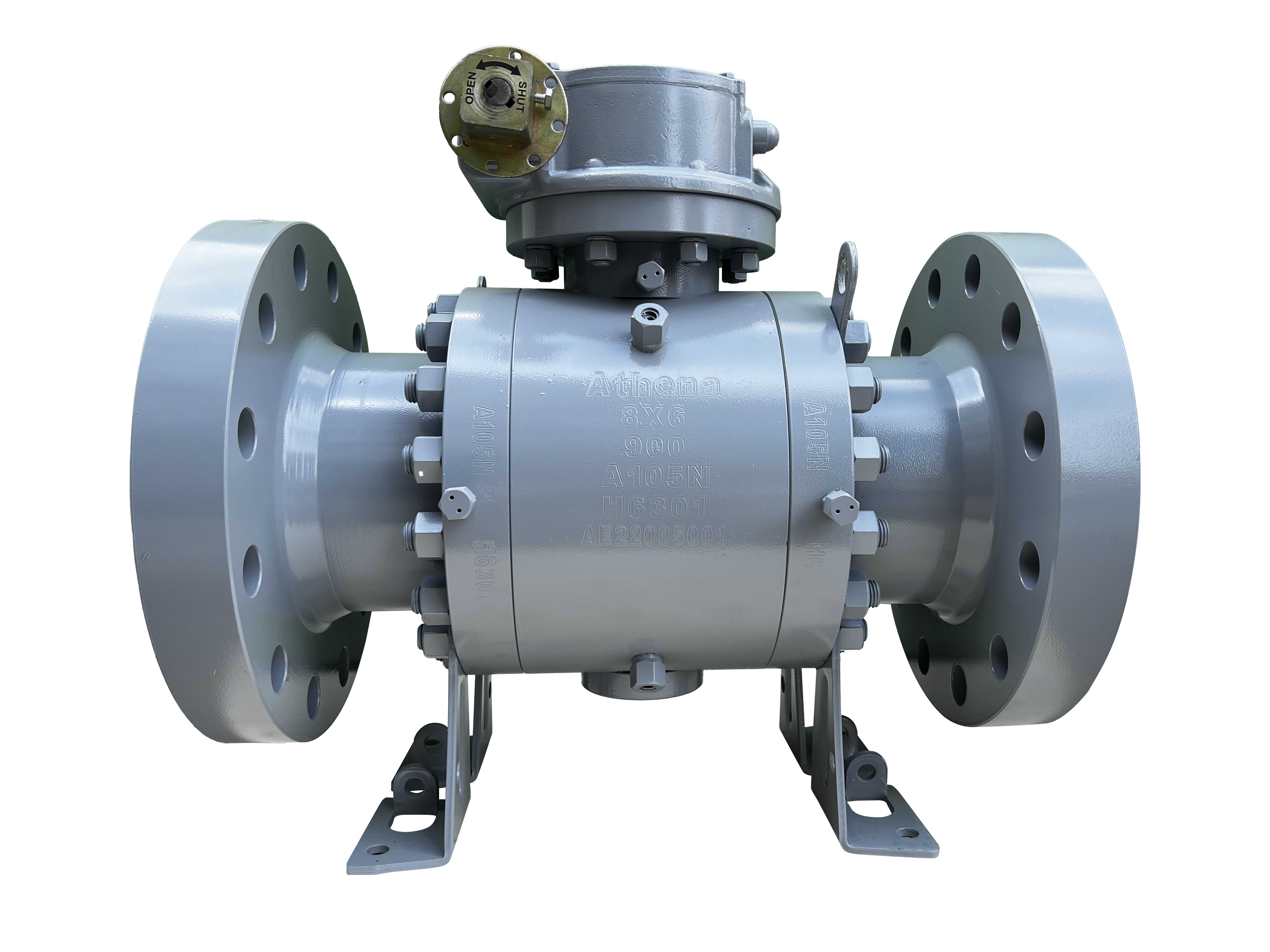
Turn-type valves are regularly employed in commercial settings due to their simple design and secure operation. Though, it’s vital to consider both their favorable aspects and potential undesirable characteristics. Predominantly, ball valves offer fast shut-off capabilities, remarkable flow control when utilized in a partial position (though ordinarily not recommended for prolonged throttling), and are generally affordable compared to miscellaneous valve models.
- Straightforward Maintenance
- Limited Load Loss
- Effective Sealing mechanism
Comparing Valve Varieties: Gate, Globe, Check, and Ball
Appreciating the contrasts with respect to valve categories is paramount for determining the apt approach for a named deployment. Let’s adequately study four regular valves: gate, globe, check, and ball. Gate mechanisms supply minimal resistance to stream when completely accessible, making them ideal for considerable flux situations, but displaying poor throttling capabilities. Globe regulators, in contradistinction, possess a segment that positions against a cavity, allowing for fine-tuned flow management, although at the price of increased load loss. Check valves are meant to spontaneously inhibit reverse flow, behaving as a monodirectional protective aspect. Finally, ball instruments make use of a spinning sphere with a opening to grant flux, providing swift unsealing and ending with partially low pressure decrease.
- Gate Valves: unrestricted flow
- Globe Valves: managed stream
- Check Valves: prevent backflow
- Ball Valves: rapid transition
Picking the Ideal Controller: A Instruction to Cutoff, Sphere, Check, and Ball
While handling with gas transfer, opting for the suitable controller is necessary. Gate controllers offer small barrier and are best for clear deployment, but cannot well-suited for adjusting. Globe apparatuses provide superb circulation management and are preferred for situations requiring adjustable movement rates. Check controllers are self-controlled and support stream in individual vector only, blocking counterflow. Finally, ball valves present prompt activation and are usually used in significant uses due to their durable configuration.
Addressing Common Malfunctions in Gate, Globe, and Ball Valves
Managing troublesome gate, globe, and ball instruments can be challenging, but most common issues are easily solved with a modest of understanding. Here’s some typical problems and feasible solutions. For gate systems, spot escape around the cap, which habitually indicates a faulty dual plate check valve gasket. Globe systems are liable to immobilization due to impurities – conduct occasional manual motion or rinsing to free the restriction. Ball controls shall experience packing leaks if the globe is corroded; refitting the cushion is generally the leading solution.
- Evaluate for oxidation
- Affirm appropriate lubrication
- Reflect on expert consultation if the fault stays
An Significance of Backflow Units in Protecting Framework Integrity
Flow Control assemblies function a critical duty in enhancing entire structure security across numerous industries.Those impede reverse flow of elements, which shall create important risks including corruption of supplies, devices fault, and even personnel damage.Namely, in, in a aqua supply, non-return mechanisms keep the origin from falling harmed by reverse movement. Besides, these mechanisms facilitate reliable ceasing steps and alleviate the potential for unexpected emission cases.
Contemplate the next examples:
- Defense of precious installations from damage due to back movement.
- Preserving the cleanliness of safe hydration materials.
- Impeding hazardous material reversal into clean regions.
Grasping Valve Equipment Models: Gate, Globe, Ball, and Check
While all serving as essential components in vaporous movement, gate, globe, ball, and check devices differ significantly in design and purpose. Gate valves offer minimal flow restriction when fully available, ideal for segregation but