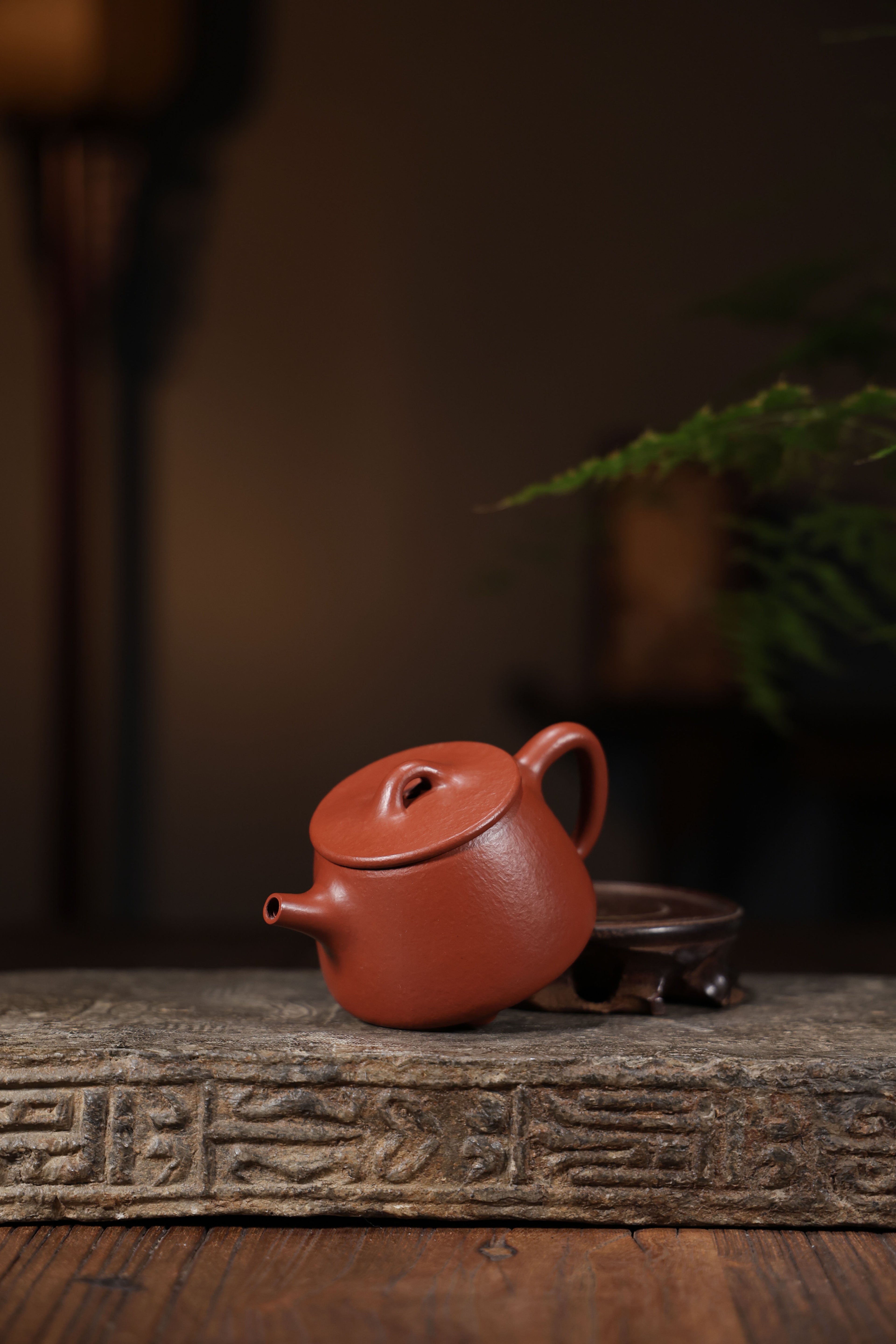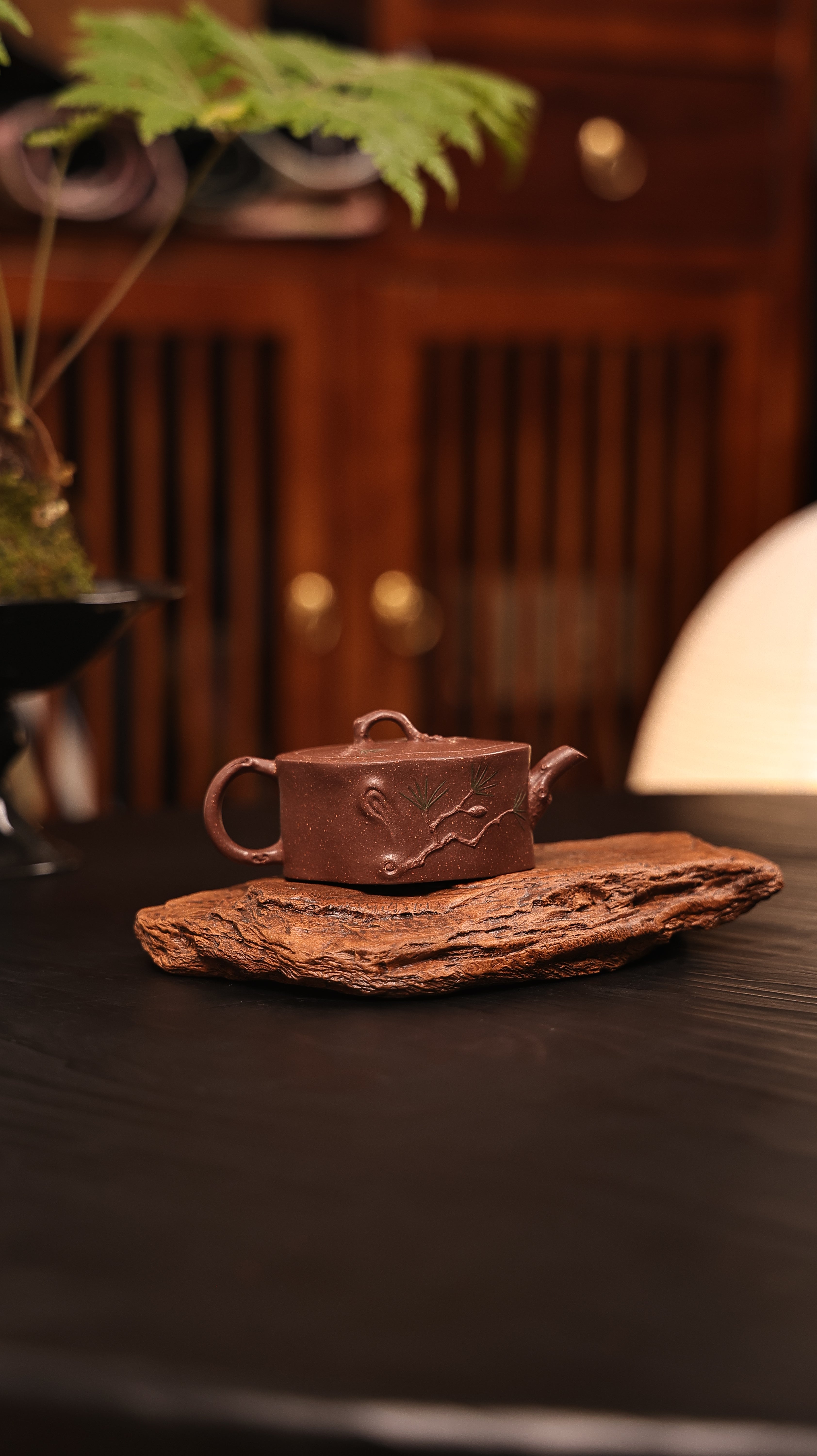
Opening this extensive review of Eysing Tz'u Sha porcelain pots brings exclusive intriguing blend with craftsmanship plus practicality.
Ihsing Zi Sha ceramic vessels enjoy one unique charm among collectors globally. Those remarkable earthenware containers, sourced from the distinct Yihsing locale inside Jiangsu territory, China, serve as more than just brewing instruments; they function as works artistic beauty and cherished significance. Distinct finely sorted clay, known referred to as Zisha, imparts a delicate flavor upon the tea, and the fancy designs, often casting traditional Chinese elements, enhance their inherent value. Gaining a genuine Yixing Zisha teapot presents a gratifying journey, demanding careful inspection and an cognizance of the different factors influencing the uncommonness.
Examining Yixing Clay Pots
Yihsing pottery vessels boast a storied past deeply interwoven with Chinese civilization. Originating in Yixing, Jiangsu area, these pots are crafted from a unique, porous purple terracotta found only in that particular location. Their progression began during the Ming reign, with master potters refining the practices over years. Numerous types occur, including the classic Hexiang (resembling crab shells), Zhuni (red-brown hue), and Duan Ni (stone-studded) – each with distinctive traits. The value of an Yixing brewing pot isn't solely based on its size or embellishment, but also on the craftsperson’s reputation, the terracotta's quality, and the pot’s age Chinese Teapot and condition. Devotees often seek out older examples, believing they impart the character of the beverage brewed within them over time, further adding to their renown.- Crab Shell Brewing Vessels
- Earth-Toned Brewing Vessels
- Rock-Adorned Brewing Vessels
Zisha Teapot Mastery: Skill & Means
Such formation of Zisha teapots represents a pinnacle of Chinese ceramic mastery. Proficient artisans employ time-honored techniques, often passed down through offspring, to unlock the full beauty of this unique clay. Procedures involve meticulous designing by hand, often combined with the building method, followed by precise curing at incredibly high temperatures in wood-fired kilns. Ornamenting is equally crucial; artisans utilize natural clay colors and may incorporate engraving work to depict intricate scenes or patterns, demonstrating a profound understanding of the material’s features and energy. The final teapot isn't merely a vessel for tea, but a testament to a profound cultural background.
Chinese Ceramics: Unique Presentation to 宜兴 Tzu Sha
Probing the world of Classical teapots frequently initiates with Yixing Zisha. These particular clay pottery vessels are made from a unique type of clay extracted only in the Yixing region of the Jiangsu zone province. Known for its characteristic reddish-purple hue and fine features, Zisha clay transfers a light flavor to the liquid and develops with age, transforming a cherished gem. Amassing Yixing Zisha earthenware is more than just acquiring a elegant object; it’s a celebration of heritage and craftsmanship.
Considering this Clay Pottery: Legitimacy & Advancement
Investigating the environment of Yixing Zisha earthenware can be absolutely fruitful, but entails a careful cognition. Validity is required; plentiful duplications are available, routinely craftily fabricated. Training about ancestral curing systems, defining earth qualities, and the markings of acclaimed manufacturers is entirely fundamental. Additionally, grasping the subtleties of the market development – influenced by conditions such as antique weight and the appearance of the piece – is paramount to advantageous procurement.
- Investigating tempering lineage.
- Hiring authorities for substantiation.
- Judging commerce dynamics.
That Discipline of Preparing with a Stoneware Pot
This exclusive allure of a Zisha kit lies not just in its exquisite appearance, but also in its illustrious impact on the aroma of the beverage. These vintage clay earthenware, sourced from specific regions of China, possess a native porosity that gradually interacts with the moisture and leaves, imbuing the infusion with a delicate character. Mastering the skill requires a attentive approach, understanding how the mineral responds to distinct temperatures and plant types, ultimately leading to a genuinely rewarding consuming journey.
Nurturing A Asset
Proper upkeep of your Yixing brewing pot is critical to retaining its quality. These singular teapots, crafted from exceptional Yixing clay, accumulate a character over generations that enhances their significance. Occasionally rinse the core with soft water, avoiding chemicals, and never use severe scrubbing tools. A gentle dusting with a plush cloth can aid in wiping away stains. Allow your container to absolutely dry after each occasion
Explaining Yixing: Factors Given Kettles Symbolize Exclusive
The famous appeal of Yixing teapots arises from the exclusive properties of Zisha clay, mined solely near Yixing, Jiangsu. This distinct clay, consisting of ferruginous ceramic , holds a atypical combination of components that, as time passes, incorporate the character of the tea it contains. This produces a exclusive note for each teapot, providing it a estimation far above its beginning price and aiding to their honored status among connoisseurs.
Unearthing the Fitting Chinese Ceramic Vessel: A Purple Clay Handbook
Venturing into the world of Yixing clay teapots can feel challenging, but understanding the foundations is essential to acquiring a esteemed piece. This model of clay, sourced largely from Yixing, the province of Jiangsu, is famous for its distinctive texture and ability to enhance the taste of the infusion over years. Consider the shape, the color, and the overall aesthetic; a valid Zisha teapot is more than just a canister; it's a finely crafted object and a illustration of classic culture. Search for the stamp of the craftsman for clues to its background and potential importance.