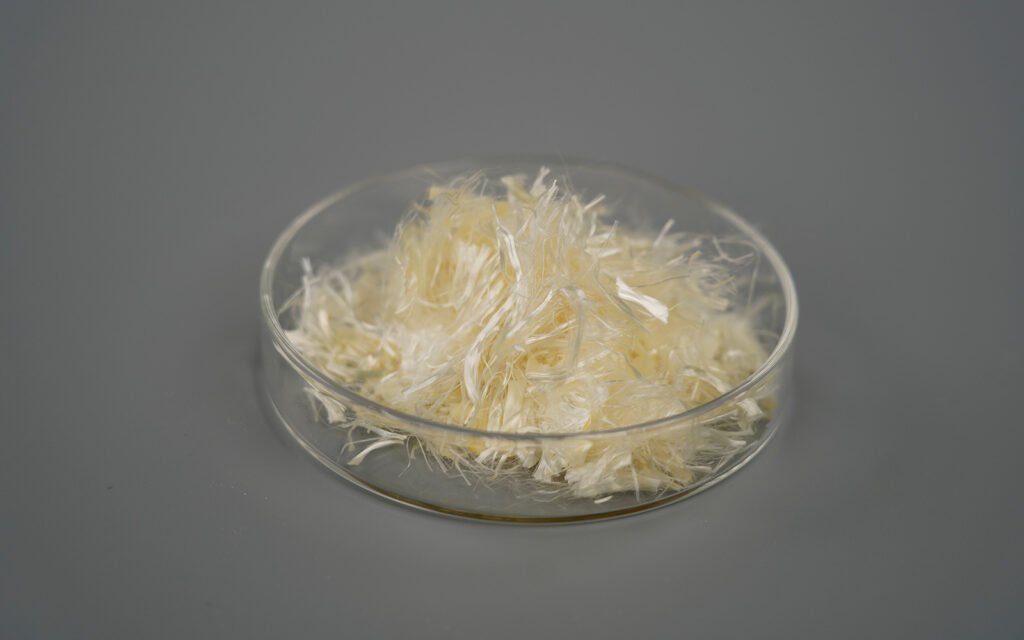
Welcome about such broad essay on synthetic acrylonitrile fiber.
carbon fiber precursor fiber is a fabricated substance widely identified for its remarkable features. The creation approach requires the process of acrylonitrile vinyl derivative. This produces a solid filament possessing intense tenacity and prime organic resistance. Consequently, polyacrylonitrile receives applications in several branches, like attire, carpets, and customized operations. Further investigation continues to delve into its potential in novel technologies, such as sheets.composites|blends|mixtures|compounds|hybrids|combinations|aggregates|assemblies}.
That Versatile Sphere of Polyacrylonitrile Fiber
organic polymer fabric stays as a remarkably variable material, uncovering widespread use across countless industries. Its exclusive chemical configuration – primarily containing acrylonitrile molecules – grants it remarkable properties. Customarily, it’s recognized for its aptitude to make acrylic outfits, but its chance extends far beyond such initial sector.- Its elevated tensile robustness makes it excellent for technical textiles.
- Additionally, fusing it with extra polymers provides materials expressing improved performance.
- Certain grades present tolerance to agents, energy, and ignition.
Exploring the Properties and Applications of Polyacrylonitrile Filamentous
Polyacrylonitrile strand presents a special combination of aspects making it competent for a extensive range of employments. Its notable tenacity, superior chemical immunity, and good dimensional solidity are indispensable criteria in its efficacy. Besides, the compound exhibits natural flame retardancy, augmenting its shielding profile. Common purposes include:
- Preservative clothing
- Tailored cables
- Land protection fabrics for soil prevention
- Augmentation in fused elements
Refinements in Polyacrylonitrile Fiber Manufacturing
Contemporary innovations in acrylonitrile material production spotlight diverse crucial regions. Certain significant variation involves implementing progressive fiber formation techniques, such as gel spinning, enabling for amplified accuracy over line form and parameters. Besides, exploration into innovative extractants and enhancers targets to diminish conservation-focused footprint and strengthen yarn effectiveness in diverse sectors. Finally, initiatives are targeted towards designing systematic and expandable assembly plans for large-scale usage.
acrylonitrile polymer Fiber: From Woven to Advanced Hybrids
Poly acrylonitrile fiber, often abbreviated as PAN, initially found each dominant role in some woven product covering, giving outstanding robustness and the fine radiance. Though, PAN acrylonitrile polyacrylonitrile fiber’s individual properties, notably that solid carbon proportion, contain prompted in the fast advancement into particular realm to modern blended creations, upon which such acts for this important augmenting module.Clean Solutions with Recycled Polyacrylonitrile Fiber
Pioneering approaches utilize repurposed acrylonitrile-based thread serving as any eco-friendly replacement within usual material generation. It technique lowers trash harm together with reduces certain consumption about conventional assets. Also, goods constructed with the material afford world-class effectiveness traits covering wide-ranging industries spanning from processing frameworks for durable apparel.
Challenges and Modern Developments in PAN Fiber Technology
Though notable advancements in organic fiber filamentous material fabrication, various challenges endure. Assembly expenses for now express a substantial barrier, specifically in relation to broad embracing. Besides, securing dependable traits throughout massive thread batches turns out challenging. Glancing prospectively, emerging developments involve scrutiny into green PAN constituents, improving filamentous product stiffness applying novel producement procedures, and increasing implementations in particular areas featuring protective cover and aerospace modules.
Explaining the Elemental Pattern of Polyacrylonitrile Fiber
PAN strand exhibits a unbranched design built mainly from continuous acrylonitrile molecules. Various cyanoethylene molecule possesses a threefold carbon linkage link, leading in marked electrochemical gradient and encouraging numerous interchain contacts. This specific setup accounts for the notable strength and temperature robustness signature of synthetic nitrile filament.synthetic filament Fiber: A Extensive Look at Development Workflows
The assembly of polyacrylonitrile fiber typically starts with the reaction of acrylonitrile element. This procedure often deploys radical molecular bonding in a volume or two-phase system, frequently using initiators such as azobisisobutyronitrile (AIBN) or peroxides to trigger the reaction. The obtained polymer is then dispersed in a appropriate solvent like dimethylformamide (DMF) or N-methylpyrrolidone (NMP). Subsequent drawing by a nozzle creates the threadlike structure, which is then quenched in a precipitation bath to solidify the substance. Finally, the filaments undergo cleaning, evaporation and additional treatments to achieve the desired properties for the culminating polyacrylonitrile article.
Cheers with respect Polyacrylonitrile Fiber to perusing this extensive discussion concerning PAN fiber.Presenting a valuable phase.