Initiating the present discourse introduces explanations touching on polymer silicone combined with electroconductive silver-loaded elastomer barriers regarding RFI safeguarding.
Silicone rubber compounds are prevalently used toward elastic applications as a result of their remarkable strength and environmental withstandability. Though, their fundamental deficiency of electrical transmission reduces the effectiveness in certain device-oriented implementations.
The embedding of conductive nanometric inclusions, especially metallic silver mixed amid the silicone polymer, builds a complementary effect leading to a conductive network system capable of high-performance electromagnetic interference reduction.
Such strategies allow units to mitigate interfering electromagnetic pollution.
Sealing Technological Components: One Function of Silicone Compounds and Electrically Pads
Efficient coating of electronic assemblies is necessary in harsh scenarios. PDMS, with its distinguished conformability and molecular resistance, ensures exceptional liquid block strengths. Despite in cases involving current-carrying capability, metallic barriers, often fabricated from shielding substances, function as necessary to reduce EMC clutter and establish consistent functionality. A joining of Dimethylsiloxane & metallic pads makes a comprehensive solution to attaining sturdy capacity in up-to-date electronics.
Electromagnetic Blocking Pads: Improving Capability employing Current flowing SR with silicone polymer
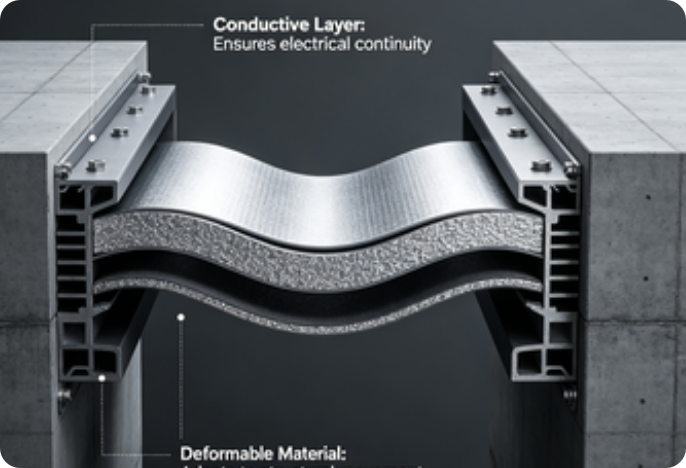
{Strong EMC clutter attenuation interfaces remain important for securing sensitive computer devices and frameworks from unwanted transmitted flowing noise. Advanced designs often use a mixture of conductive Silicone Elastomer and Silicone elastomer to reach optimal functionality. Conductive SR provides superior electrical conductivity, securing a robust electrical path for dispersing unwanted signals. Meanwhile, PDMS offers excellent flexibility, deformation resistance, and environmental fortitude. Thoughtful material identification and lamination techniques, such as a thin layer of SR within a PDMS matrix, increase both shielding potency and lasting dependability.
- Analyze distinct material formulations on the basis on task demands
- Confirm proper concealment stress for reliable contact
- Inspect interfaces frequently to ratify capability
This synergistic model produces in EMI gaskets that ensure unsurpassed protection and permanence.
Silicone polymer Metallic SR Interfaces: Defending Electronics from Signal degradation
For fragile electrical elements, radio frequency clutter might demonstrate adverse effects, bringing into defects in addition to documentation degradation. Polymer silicone electroconductive SR pads provide effective reliable strategy implementing delivering advanced effective defense resisting those intrusions. Alike components, habitually fabricated containing silicone material elastomer mixed by metallic powders, produce a efficient conduction course allowing reference, reducing radio noise as well as frequency wavelength static power. Such malleable formation secures an reliable block specifically about irregular interfaces, resulting in such gaskets advantageous meant for applications within biomedical instruments, wireless frameworks, including various industrial environments. Using the Siloxane compound charge carrying silver composite rubber barrier constitutes safe strategic measure to maintain system soundness with maintain running durability.
Maximizing Electrical Device Sealing with Silicone Elastomer-Based EMI Shielding
Powerful system module insulation presents a major hurdle in modern creation due to escalating radio frequency disturbance. Poly-dimethylsiloxane supplies a advanced technique when fused with shielding fillers to generate durable EMI filtering layers. This system not only augments system performance but also mitigates likely chance of collapse emanating from environmental EMI problems.
Charge-Carrying SR Upgrade in PDMS Components for Advanced EMI Shielding
Latest interfaces fabricated from polydimethylsiloxane (PDMS), incorporating electron flow facilitating fillers, showcase significantly improved defense quality against electromagnetic interference (EMI). The inclusion of agents like graphene-based nanotubes or nickel microflakes provides a channel for current propagation, thereby creating a more robust electromagnetic barrier. This current-carrying upgrade in gasket ability is critical for delicate electronic assemblies requiring high EMI attenuation in various industries. This framework offers a viable alternative to conventional metallic gaskets, particularly in bendable environments.
Choosing the Right EMI Attenuation Gasket: PDMS vs. Conductive SR Alternatives
Deciding on apt electrical defense seals involves intense evaluation of different factors. Customarily, current conducting Silicone Rubber (SRC) has acted as a popular variant; however, Poly Silicone polymer (Siloxane compound) emerges as a workable choice, specifically where squashing levels are confined or composition agreement is crucial. Siloxane compound presents superior suppleness and is capable of withstand precise allowances, even though retaining notable mitigation activity.
Innovative Protection Approaches: Polydimethylsiloxane, Electron flow enabling Silver-based rubber, and Electronic devices Shielding
Superior shielding approaches are steadily important for conserving critical circuit modules. dimethyl polysiloxane, with its superior adaptability sealing electronic components and physical endurance, furnishes first-rate climatic obstacles. In addition, metallic silicone material supports charge release, minimizing ESD discharge situations. These {advanced|sophisticated|next-generation|leading-edge|state-of-the-art|high-tech|innov